

Let's talk about something that might seem old-fashioned at first glance but is actually more relevant than ever: martial arts etiquette. You know, those bowing rituals, the "Yes, Sensei" responses, and all those traditions that make martial arts different from just throwing punches at the gym.
When you first walk into a traditional martial arts school, some of these customs feel formal or intimidating. But here's the thing: these traditions have stuck around for a reason. They're not just ceremonial fluff. They're the backbone of what makes martial arts training so transformative, both on and off the mat.
Why Etiquette Isn't Just About Being Polite
Martial arts etiquette goes way deeper than just saying "please" and "thank you." It's built on three core principles that shape everything about your training experience.
Respect is the foundation of everything. When you bow to your instructor, you're not just following a rule; you're acknowledging their knowledge and experience. When you use proper titles like "Sensei," "Sifu," or "Professor," you're showing appreciation for the lineage of knowledge being passed down to you. And when you treat your training partners with courtesy, you're creating an environment where everyone can learn and grow safely.
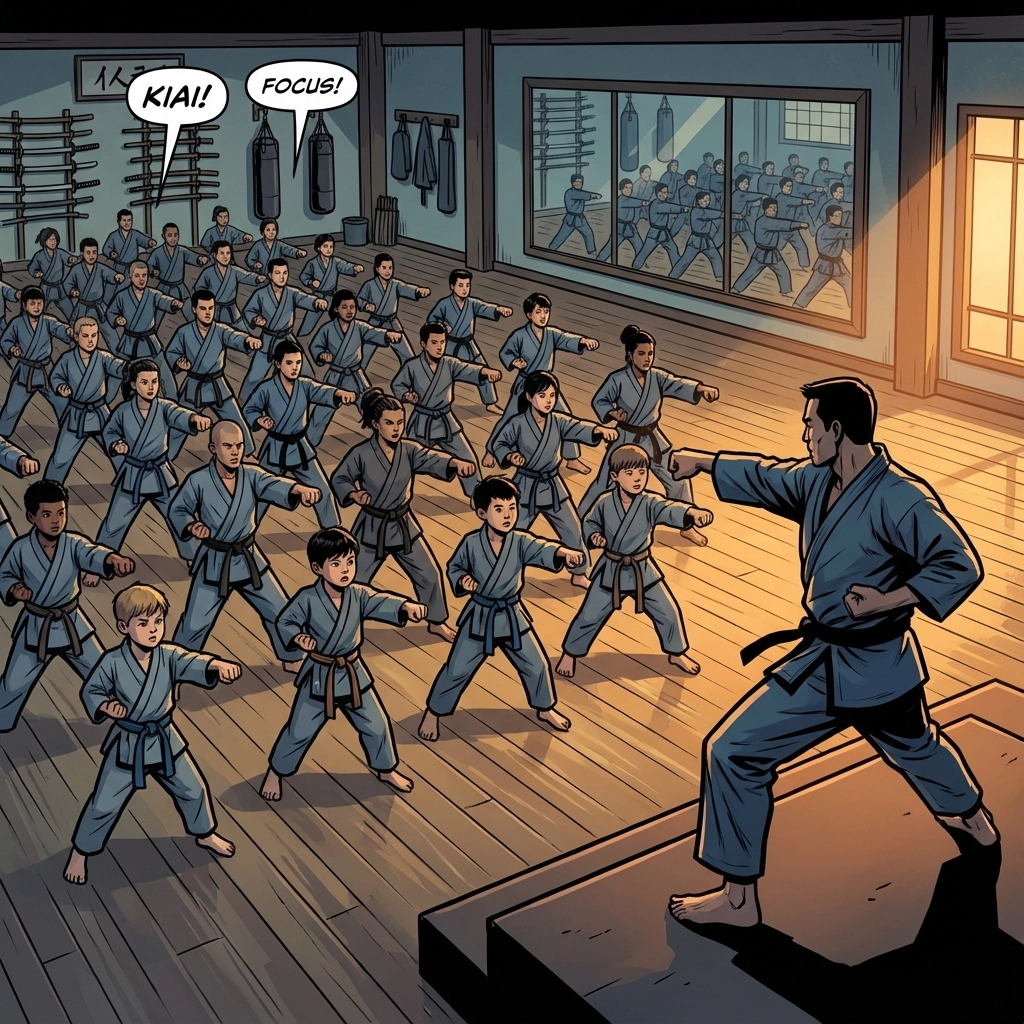
Discipline is what turns chaos into learning. Think about it, without structure, a martial arts class would be mayhem. People showing up late, equipment scattered everywhere, students talking over instruction. The discipline built through etiquette creates the focused environment you need actually to improve. When everyone follows the same code, magic happens.
Humility keeps your ego in check. Even if you're the most skilled person in the room, there's always more to learn. This mindset keeps you open to growth and connects you to generations of martial artists who came before you.
The Universal Practices That Cross Styles
No matter what martial art you practice, certain etiquette basics show up everywhere. These aren't arbitrary rules; they serve practical purposes that improve your training.
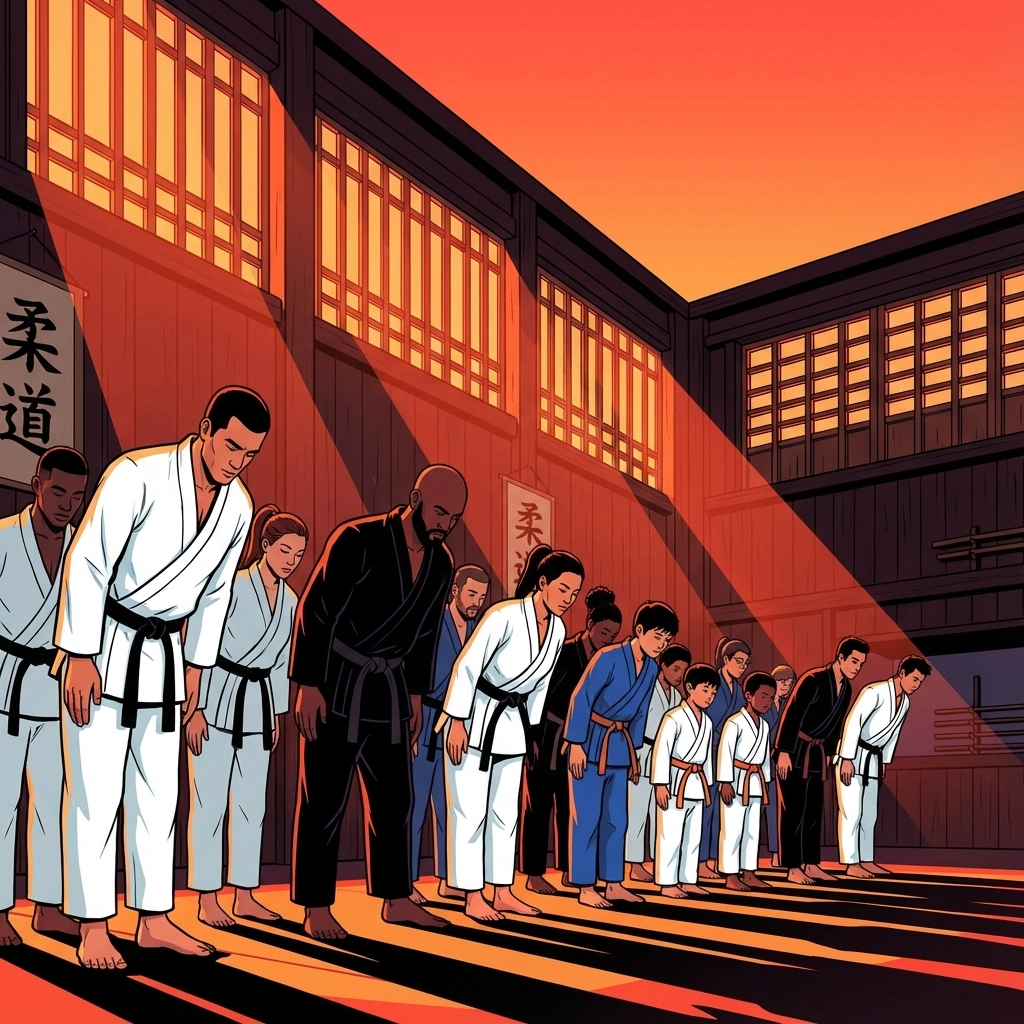
Bowing is the most recognizable tradition. In most schools, we bow when entering and leaving the training floor, at the start and end of class, and when partnering up with someone new. It's a moment of mindfulness that transitions you into the proper training mindset.
Proper addressing of instructors shows respect for their role and knowledge. Whether it's "Sensei," "Sifu," "Coach," or another title, using it consistently reinforces the student-teacher relationship that's essential for learning.
Equipment care might seem basic, but it's crucial. Treating gear with respect prevents injuries and shows you value the tools of your training. Plus, when everyone takes care of shared equipment, it lasts longer for everyone.
Cleanliness and preparation go hand in hand. Showing up with a clean uniform, trimmed nails, and proper hygiene isn't about vanity; it's about respecting your training partners and creating a professional environment.
Punctuality demonstrates your commitment. When you arrive on time (or, better yet, a few minutes early), you show that you take your training seriously and respect everyone else's time.
Why These Traditions Survive in Modern Times
You might wonder if these old-school traditions still matter in our fast-paced, modern world. The answer is a resounding yes, and here's why.
Even in professional MMA, you'll generally see fighters touch gloves before a fight. That's a direct descendant of traditional martial arts salutes. Despite the commercial and competitive nature of modern combat sports, that moment of respect before battle remains sacred.
But the real magic happens in how these principles transform you outside the training. Students who learn to control their temper during sparring become adults who handle workplace conflicts with composure. Kids who learn to listen respectfully to instruction become better students in school. The discipline required to maintain proper etiquette builds character that shows up everywhere in life.
The Real-World Benefits You'll Notice
I've seen it countless times: students who embrace martial arts etiquette become different people. Not because they're following rules, but because these practices develop genuine character traits.
You'll develop better emotional regulation. When you learn to bow respectfully to someone who just submitted you in sparring, you're practicing grace under pressure. That skill translates to handling criticism at work, dealing with difficult family situations, or navigating any challenge life throws at you.
Your social skills improve dramatically. The courtesy and respect you practice in the dojo become second nature. You become someone who listens before speaking, who treats others with dignity regardless of their skill level, and who can disagree without being disagreeable.
The focus and attention required by etiquette also enhance your learning ability. When you practice listening carefully to instructions without distraction, you're training your mind to concentrate deeply. This skill helps in everything from studying for exams to mastering new skills at work.
Building Community Through Shared Values
Here's something beautiful about martial arts etiquette: it creates instant community. When you walk into any respectable school anywhere in the world and follow the proper protocols, you're immediately recognized as someone who understands the art. Those shared values create bonds that transcend language, culture, and background.
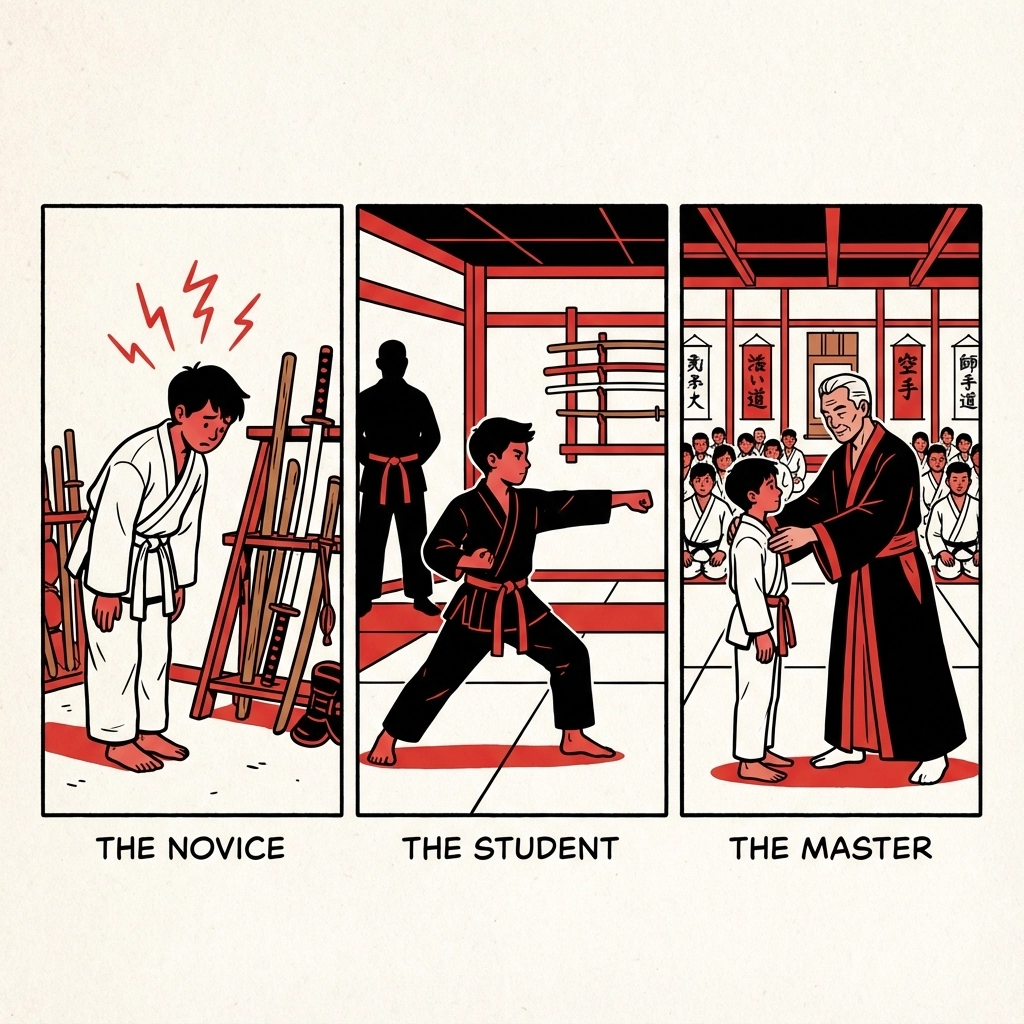
The senior student who takes time to help a beginner with their technique isn't just being nice; they're participating in a tradition of knowledge sharing that goes back generations.
Keeping Traditions Alive in a Modern World
Some people worry that emphasizing etiquette makes martial arts too rigid or old-fashioned. But the opposite is true. These traditions provide stability and meaning in an increasingly chaotic world. They create sacred space for personal growth.
You don't need to abandon modern training methods or technology to honor these traditions. You can use the latest training equipment, study techniques on YouTube, and compete in modern tournaments while still maintaining the respect and discipline that make martial arts special.
The key is understanding that etiquette isn't about blind obedience to outdated rules. It's about cultivating the mindset and character traits that make you not just a better martial artist, but a better human being.
When you step onto the mat and bow, you're connecting to something larger than yourself. You're joining a lineage of warriors, scholars, and seekers who understood that true strength comes from discipline, respect, and humility. And in a world that often seems to have lost its way, those values are precisely what we need.
So the next time you're in class, don't just go through the motions of etiquette, embrace them. Feel the respect in your bow. Mean it when you say "Yes, Sensei." Take pride in maintaining your uniform and equipment. These small acts are building something much bigger than you realize (they're building the person you're becoming).